OPTIQUE OF COLLINGHAM
Independent Audiology & Hearing Specialists Serving Newark & Collingham
Supporting Your Hearing Health at Every Stage of Life
At Optique, our focus has always been your overall health and wellbeing. Just as regular eye examinations are essential for maintaining good vision, looking after your hearing is equally important.
Hearing changes often happen gradually and many people do not realise their hearing has declined until family members comment that the television is too loud, or conversations become harder to follow particularly in busy environments.
As part of our commitment to providing comprehensive care, we are pleased to now incorporate audiology services within our practice.
Why Choose Our Newark Hearing Care Clinic?
Comprehensive Private Hearing Tests Near Newark
Vision and hearing work together. They are both essential senses that help us stay connected to the people and world around us. By offering both services under one roof, we can provide convenient, professional, and coordinated care for our patients.
Like eye health, hearing health benefits from regular assessments. Early identification of hearing changes can make a significant difference in maintaining confidence, communication, and overall quality of life.
Advanced Hearing Technology & Digital Hearing Aids - What to Expect
Our hearing assessments are thorough, comfortable, and carried out in a clinical setting within the practice. We assess how well you hear different tones and speech sounds and can discuss any concerns you may have about hearing in social situations, at work, or at home.
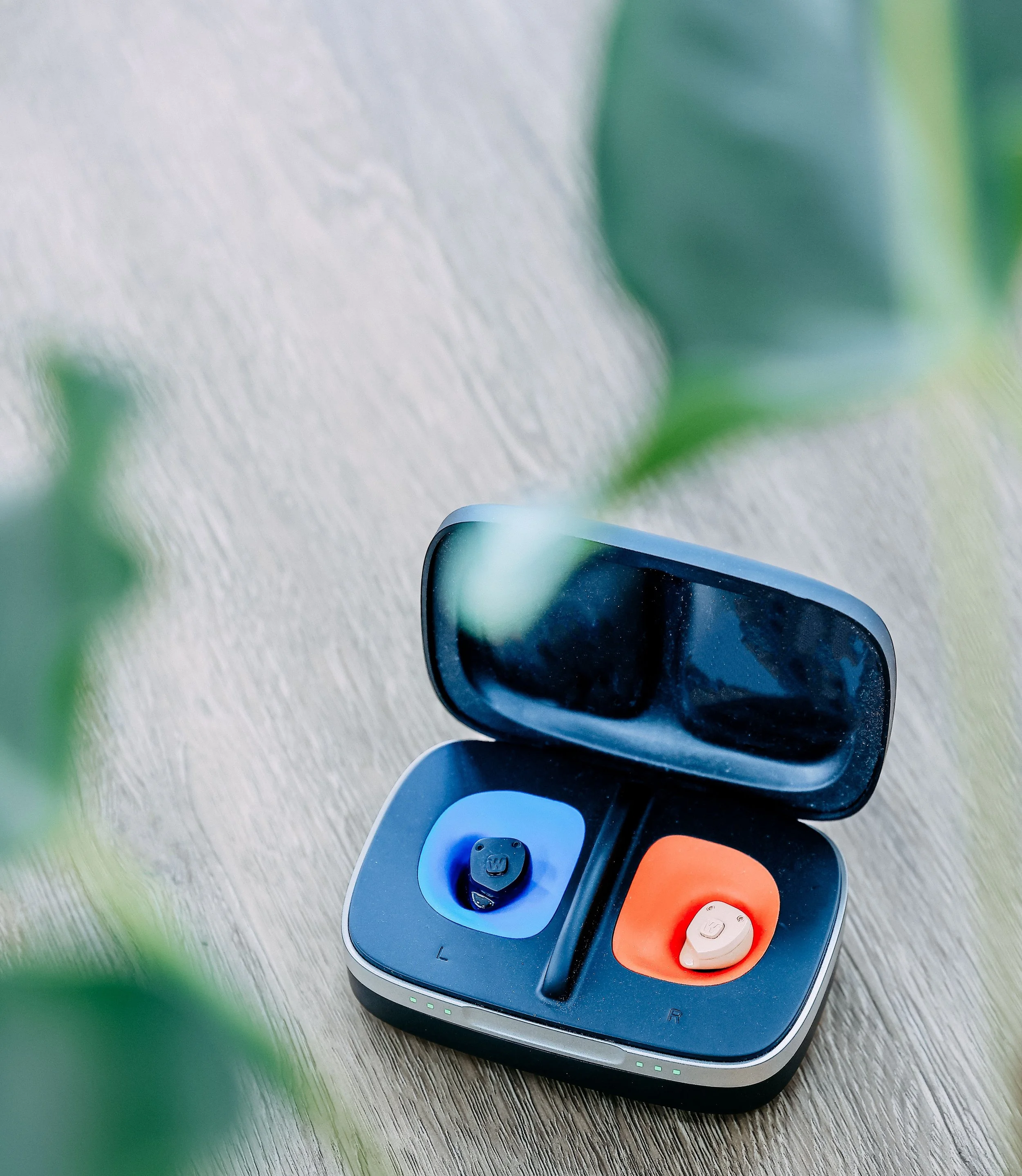
If hearing support is required, we offer modern digital hearing solutions designed to be discreet, comfortable, and tailored to your individual needs and lifestyle.
Our Partnership with WSA
To ensure we provide the highest standard of care, we have partnered with WSA (WS Audiology), one of the world’s leading hearing healthcare groups.
WSA is the global organisation behind some of the most trusted hearing technology brands, including Widex and Signia. Their advanced research and development ensure that patients benefit from cutting-edge technology, natural sound quality, and reliable long-term support.
This partnership allows us to combine our trusted local care with world-class hearing solutions.
Convenient for Newark Patients
Located just 10 minutes (6 miles) via the A1133 from Newark town centre, with free dedicated parking right outside the practice.
5 minutes from Newark Northgate Station, Direct bus route 36 from Newark Bus Station.
A Joined-Up Approach to Your Health
Many of our patients already trust us with their eye care. Our expansion into audiology mean we are building on that relationship offering the same personalised service, professional advice, and aftercare support you expect from Optique.
We offer complimentary hearing screenings and are always happy to discuss any concerns you may have about your hearing, even if you are simply seeking reassurance.
If you would like to learn more about our audiology services, please speak to a member of our team or contact the practice to arrange an appointment.
We look forward to continuing to support your health both vision and hearing for years to come.
FAQs
-
To find out what type and degree of hearing loss you have, you should:
1. Schedule a hearing test with a licensed audiologist or hearing specialist.
(Some ENT doctors also perform hearing tests.)2. Take a comprehensive hearing evaluation, which usually includes:
Pure-tone testing: You listen to beeps or tones at different pitches and volumes to measure how soft a sound you can hear.
Speech testing: Measures how well you hear and understand words.
Tympanometry: Tests how well your eardrum moves, checking for fluid, infections, or eardrum issues.
Bone conduction testing: Determines whether your hearing loss is caused by problems in the outer/middle ear (conductive loss) or inner ear (sensorineural loss).
3. Review your audiogram:
An audiogram is the chart that shows your results. It will tell you:
Degree of hearing loss (mild, moderate, severe, profound)
Type of hearing loss (conductive, sensorineural, or mixed)
-
Widex offers several hearing aid form factors. Each form factor is designed for different needs, preferences, and degrees of hearing loss. It is best to work with a hearing care professional to find out which form factors can meet the needs of the hearing prescription. Here is a general overview:
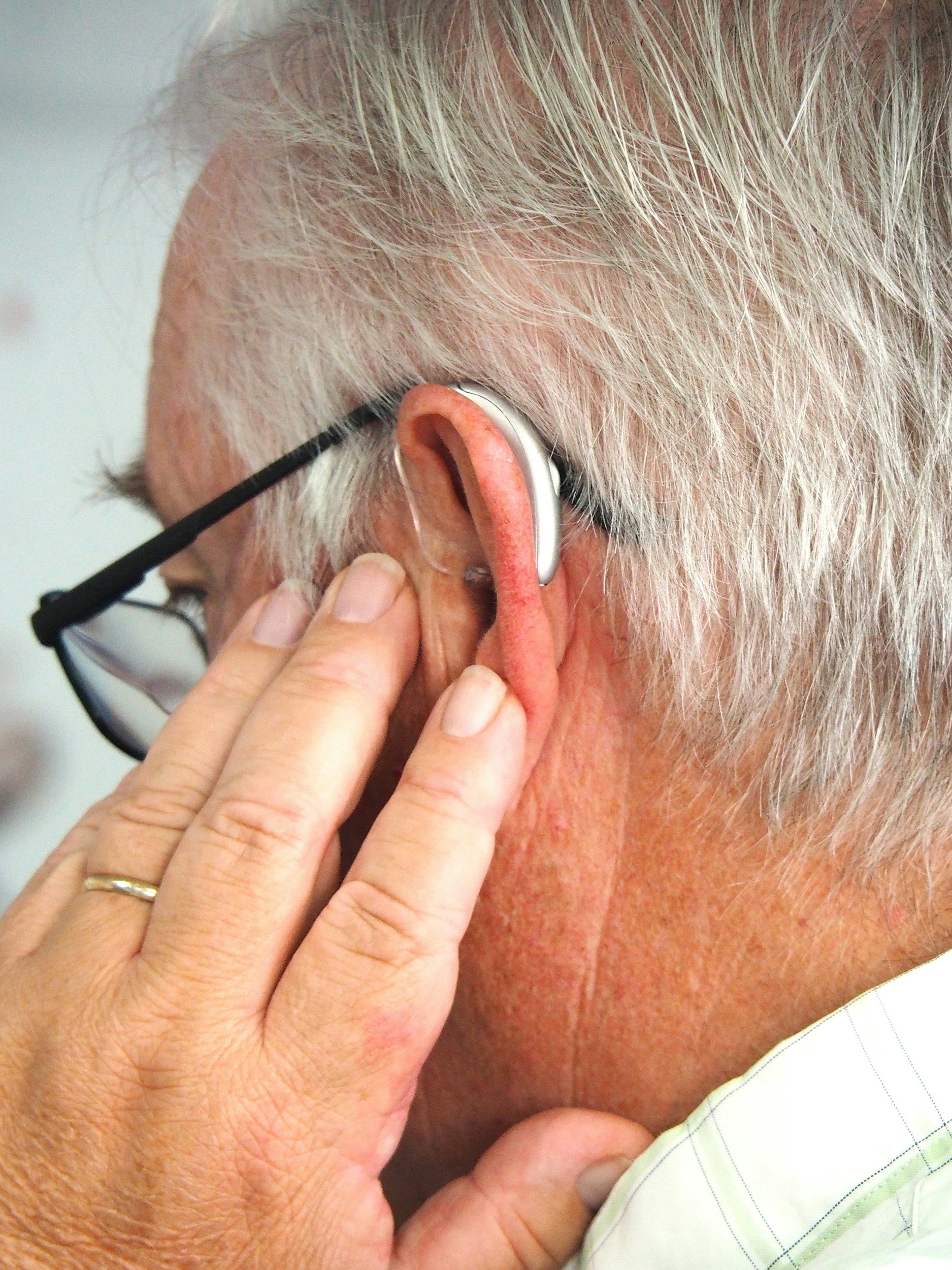
1. Behind-the-Ear (BTE)
Sits behind the ear with a tube that connects to an eartip or earmold inside the ear.
Good for all levels of hearing loss, from mild to profound.
2. Receiver-in-Canal (RIC) / Receiver-in-the-Ear (RITE)
Similar to BTE, but the speaker (receiver) sits inside the ear canal, connected by a thin wire.
Usually smaller and more discreet than a BTE hearing aid.
For mild to severe hearing loss.
3. Custom
The hearing care professional will make a mold (impression) of the outer ear and send it to Widex. Widex will then manufacture a hearing aid shaped exactly like the mold so that the physical fit is customized to your ears. The custom hearing aid can be made into 3 different form factors:
3.1 In-the-Ear (ITE)
- Fills the outer ear completely.
- Easier to insert and has room for larger batteries and features like volume control.
- For mild to severe hearing loss.
3.2 In-the-Canal (ITC)
- Sits partly in the ear canal, smaller than ITE.
- More discreet but still easy to adjust.
- For mild to moderate hearing loss.
3.3 Completely-in-Canal (CIC)
- Fits deep inside the ear canal.
- Very discreet, almost invisible.
- For mild to moderate hearing loss. -
The price of hearing aids depends on many factors such as the business model of the hearing care professional, types of services included with the purchase, insurance, performance level/feature set of the hearing aids, hearing aid form factor, etc. It is always best to speak with the hearing care professional to find out the breakdown of costs.
-
Yes, most hearing care professionals offer a trial period for new hearing aids.
If you're not satisfied during the trial, you can return the hearing aids.
It is common practice that during the trial period, the hearing care professional will adjust the hearing aids during follow-up appointments based on your feedback. Adjustments can be made to the programming of the hearing aids as well as the physical fit. Therefore, it is important to wear and use the hearing aids every day so that you can identify what you like and don't like. Sometimes, the best solution involves changing form factors altogether.
-
Yes, follow-up appointments are very important after the initial fitting appointment.
Your brain needs time to adjust to hearing new sounds again, and you may notice things you want changed (e.g. too much background noise or certain sounds being too sharp or dull).
The audiologist can fine-tune the settings based on your real-world experiences. For example, if you find yourself making frequent adjustments to the hearing aids either on the hearing aids themselves or through the Signia app, it is very helpful to relay what changes you are making to the hearing care professional. Based on your feedback, they will adjust the programming of the hearing aids. This will result in less time and effort on your end making changes and more time spent enjoying wonderful sound.
They can also adjust the physical fit of the hearing aids so you feel comfortable wearing them for a whole day.
It's common for hearing loss to change over time so the programming of the hearing aids should be adjusted accordingly.
Typically, you'll have at least one or two follow-up visits within the first few weeks after the initial fitting — and regular check-ins (every 6–12 months) after that. Check with your hearing care professional for the schedule of appointments and services included in your purchase.
-
When fit with new hearing aids, it will take time to get used to how they feel and sound. Here are some healthy day-to-day practices to consider during this period:
Week 1: Getting used to the sound
Start with 1–2 hours per day in a quiet environment.
Focus on familiar sounds (your voice, household noises, conversations with family).
Gradually increase wear time by an hour or two each day.
Expect some discomfort or unusual sounds—your brain is adjusting.
Week 2: Introducing noisy environments
Wear your hearing aids for 4–6 hours per day in different environments.
Try them outside, in stores, or in conversations with multiple people.
Start noticing which sounds are too loud or too soft—your audiologist can fine-tune the hearing aids to address these.
Week 3-4: Full-day use
Aim to wear your hearing aids all day (8–12 hours), except when sleeping or showering.
Try them in more complex listening situations (restaurants, public places, phone calls).
If anything feels off, schedule a follow-up with your audiologist.
Long-term use
Wear them daily to maximize benefits—your brain needs consistent stimulation.
Keep them clean and store them in a dry place when not in use.
Schedule regular check-ups to adjust settings as needed and to make sure any changes to your hearing prescription are accounted for in the programming of your hearing aids.
-
It is a common perception that your own voice sounds unnatural when wearing new hearing aids. This is due to either the sound of your voice being heard differently due to hearing aid settings or from the physical acoustic coupling (the occlusion effect).This is normal and is often just an adjustment period. However, if after a few weeks, you still feel like your voice sounds unnatural and is not tolerable, bring your hearing aids to your hearing care professional for additional fine-tuning.
-
Widex hearing aids leverage advanced technology to enhance speech intelligibility while preserving the acoustic nuances of your environment. This ensures a natural and immersive listening experience, allowing users to engage seamlessly in conversations without losing the overall soundscape.
-
Yes, Widex offers hearing aids that cover the spectrum of Bluetooth protocols. There are models that are compatible with Android's Audio Streaming for Hearing Aids (ASHA) protocol and Apple's MFi (Made For iPhone) protocol. Additionally, there are a subset of models that cover those two protocols in addition to being compatible with the newly introduced Low Energy Audio (LE Audio) protocol. Depending on your usage habits and the devices you interact with on a daily basis, certain models and their associated compatibility may bring more benefit than others. We recommend discussing this with your hearing care professional so the best hearing aid can be fit to your lifestyle.
-
Yes. Most of our modern hearing aids have IP68 rating. This means that the hearing aids are dust-proof (safe to wear in dusty environments like workshops, outdoors, or during construction work) and water-resistant (can handle accidental drops in water, heavy sweat, rain, or even brief submersion—though not meant for swimming or bathing regularly).
-
The typical lifespan of a hearing aid is about 3 to 7 years. But the exact lifespan depends on factors like:
Maintenance habits (regular cleaning and storage habits)
Your environment (high humidity, sweat, or dust can shorten the lifespan)
Changes in your hearing needs (the hearing aid may no longer meet the hearing prescription and/or lifestyle)
-
Hearing aids need to be cleaned and checked on a regular basis.
Wipe down the devices with a dry, soft cloth and check for ear wax buildup on microphone, domes/sleeves, and charging contacts (if applicable) daily, at the end of the day. It helps to store hearing aids in a dry environment overnight to prevent moisture damage.
Replace wax guards regularly. The frequency of wax guard replacements is patient dependent. Consult with your hearing care professional for a more detailed replacement schedule.
Visit your hearing care professional every 6 months for a deep cleaning, hearing aid performance check, and a consultation for any changes to your hearing prescription.
-
Our audiology centre is based within our opticians practice. You can find us in Collingham, which is around 10 minutes from the town of Newark. This means we can support patients from the Newark area, in our quiet village setting.
-
You can book a hearing test at Optique of Collingham online or by calling 01522 701083. We are located 6 miles from Newark town centre with free parking.
-
Optique of Collingham provides clinical audiology assessments carried out by experienced healthcare specialists, featuring advanced hearing solutions from WSA (Widex & Signia).
-
Yes, our audiology center provides comprehensive ear health checks, hearing screenings, and custom digital hearing aid fittings for patients across Newark-on-Trent and Nottinghamshire.